Housing Initiatives
Promoting fair housing and community growth.
Housing and Zoning Reform
Waunakee needs housing policies that reflect how people actually live today. I say that as a homeowner in this community. My wife and I were only able to buy our home in Waunakee because interest rates plummeted in 2021. That window closed quickly, and many people who want to live here today do not have the same opportunity.
Our zoning code still relies heavily on large lot requirements and rigid standards that limit housing options, drive up costs, and make it harder for young families, seniors, and workers to stay in the community.
An Aging Population and a Shrinking Middle
Waunakee has a growing age gap problem, and it is closely tied to housing. Young people increasingly cannot afford to live here, and in many cases, they do not want to. You often hear the phrase, “Madison is just a 15-minute drive away.” As someone who just turned 30, that mindset misses the point. A 15-minute drive quickly turns into a $60 round-trip in an Uber or Lyft on a weekend. Proximity is not the same as access.
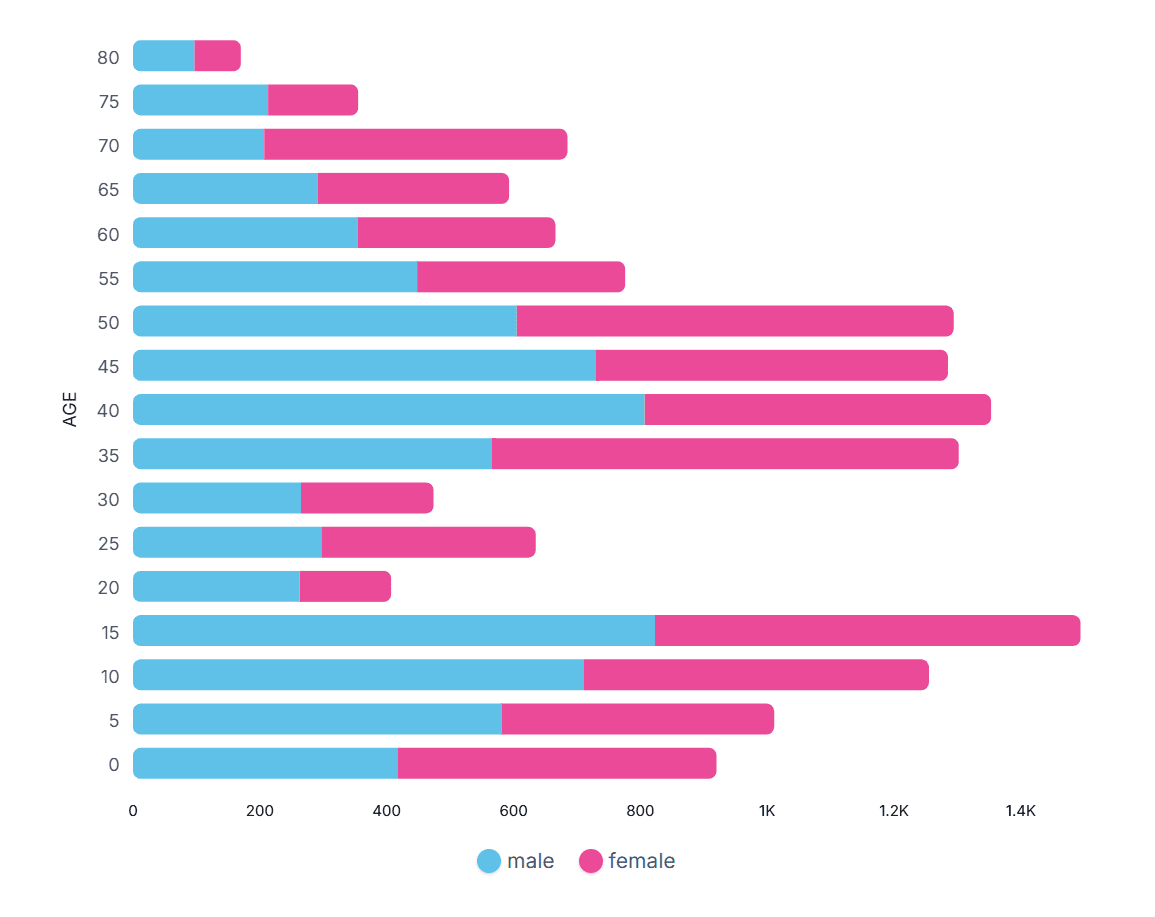
Because young adults are priced out or choose to live elsewhere, Waunakee lacks many of the amenities that attract and retain them. Restaurants, gathering spaces, nightlife, and walkable areas struggle to survive when the people who would use them cannot afford to live nearby. Our own population pyramid shows a clear gap between ages 20 and 29. That is not an accident. It is the result of policy choices.
This also directly affects our workforce. The average age of a service worker in the United States is 26. No one commutes twenty minutes each way from affordable housing to work a service job in Waunakee. When people say, “high school kids don’t want to work anymore,” that ignores reality. A high school student cannot make your latte at 1:30 on Tuesday afternoon or serve you lunch at your business meeting. They are in class. That is not laziness, and calling it that is viewing Waunakee with blinders on.
Housing policy that excludes young adults does not just change who lives here. It changes how the community functions. As our population continues to age, we will also see increased demand for EMS and public safety services. That is not a criticism of those who are older than I am. It is a reality we need to plan for.
If Waunakee wants to remain a complete community, we need housing options that allow young people to live here, work here, and stay here. That means rethinking zoning, lot sizes, and housing types so the next generation can picture a future in Waunakee.
Waunakee's Age Demographics
Rethinking Lot Size and Density
Waunakee’s minimum lot size requirements are outdated and unnecessarily restrictive. They assume that bigger lots automatically create better neighborhoods. In practice, they reduce housing supply, push prices higher, and limit the types of homes that can be built. Smaller lots, cottage style housing, townhomes, and gentle density can coexist with strong neighborhoods and high-quality design. Many communities across Wisconsin are already proving that.
Housing policy should focus on outcomes like affordability, walkability, and neighborhood stability, not arbitrary numbers on a zoning map.
More Housing Options, Not One Housing Type
A healthy community offers a range of housing choices. Starter homes, downsizing options, rentals, and family homes all matter. When zoning only allows one type of development, people are forced to leave Waunakee when their housing needs change. That weakens our community over time.
Thoughtful zoning reform can allow more flexibility while still respecting existing neighborhoods. This is not about overdevelopment. It is about giving people options.
Timing Matters With the Westport Incorporation
It is also important to be honest about where we are right now. Until the Town of Westport incorporation process is complete, Waunakee remains tied to the joint plan commission. That structure limits how aggressively the Village can move on zoning and land use changes.
Major zoning reforms should wait until Waunakee is no longer beholden to that process. In the meantime, we should be doing the groundwork. That means reviewing our code, studying best practices, engaging residents, and identifying which rules truly protect public interests and which ones simply create barriers.
A Smarter Path Forward
Once the incorporation process is resolved, Waunakee should be ready to act. That includes modernizing lot size requirements, allowing more flexible housing types in appropriate areas, and aligning zoning with long term infrastructure and transportation plans.
As a trustee, I will push for housing and zoning policies that are progressive, data driven, and realistic. Waunakee can grow in a way that is inclusive, fiscally responsible, and respectful of the community we have built.